Rent parties, park jams, spoken word, and storytelling built hip-hop’s earliest rhythm.
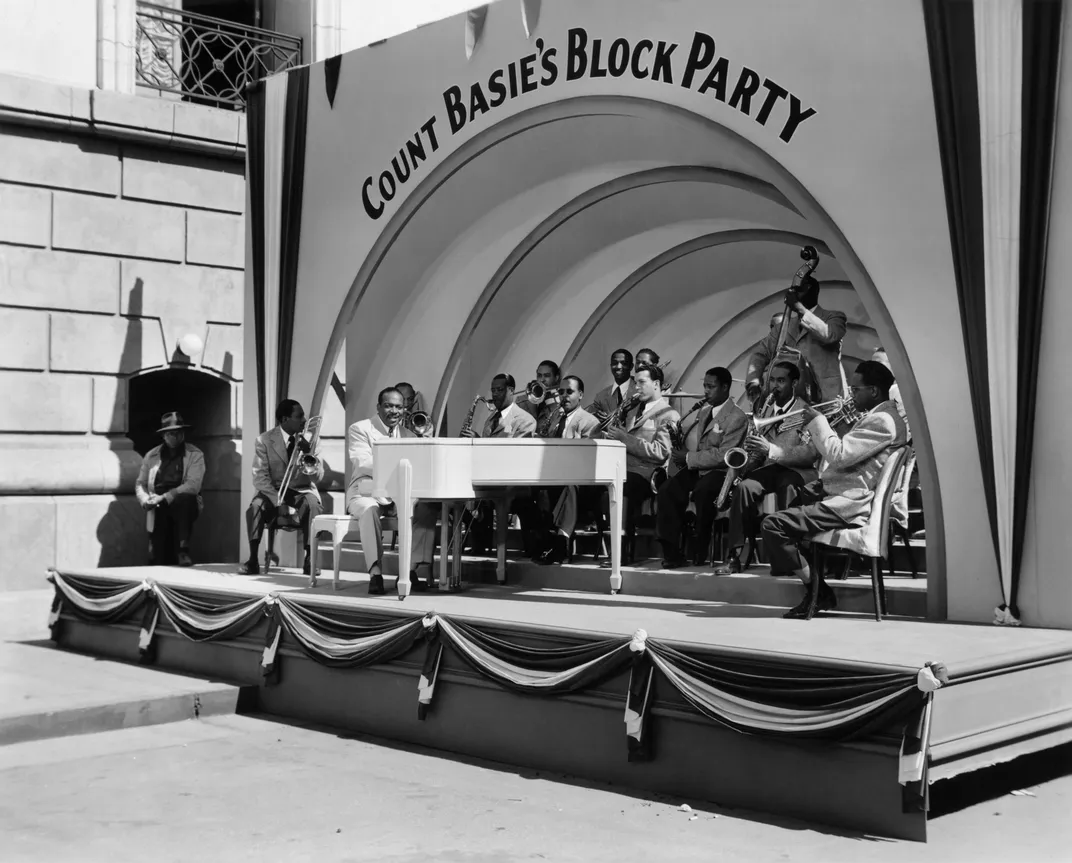
Before anyone called it “hip-hop,” African American, Afro-Caribbean, and Afro-Latino communities gathered in basements, parks, and church halls for rent parties, neighborhood jams, and spoken-word nights. These social gatherings—rooted in the Great Migration—brought rhythm, storytelling, and togetherness to urban blocks. The Smithsonian’s National Museum of African American History and Culture describes these events as the soil from which hip-hop would grow: spaces where “people gathered together… to tell the stories of the people and places that brought it to life in a language all its own.”
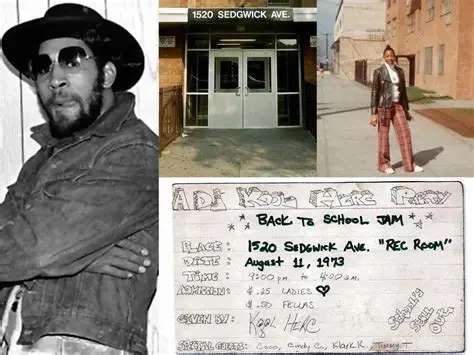
August 11, 1973 — 1520 Sedgwick Ave, Bronx. Cindy Campbell’s “Back-to-School Jam.” Kool Herc on the breaks.
Cindy Campbell rented the rec room to raise money for school clothes. Her brother, Clive “DJ Kool Herc” Campbell, hauled in a Jamaican-style sound system and began looping the breaks of funk and soul on twin turntables. The dance spilled into Cedar Playground—and hip-hop was born.
“After that block party, we couldn’t come back to the rec room,” Herc recalled—his parties had outgrown the walls. Historian Jeff Chang wrote this is when “youthful energies turned from nihilistic implosion to creative explosion.”
One emblematic track Kool Herc drew from: James Brown — “Give It Up or Turnit a Loose” (1970)
Studio records, MTV, and the culture’s DIY edge—graffiti, breaking, and street fashion.
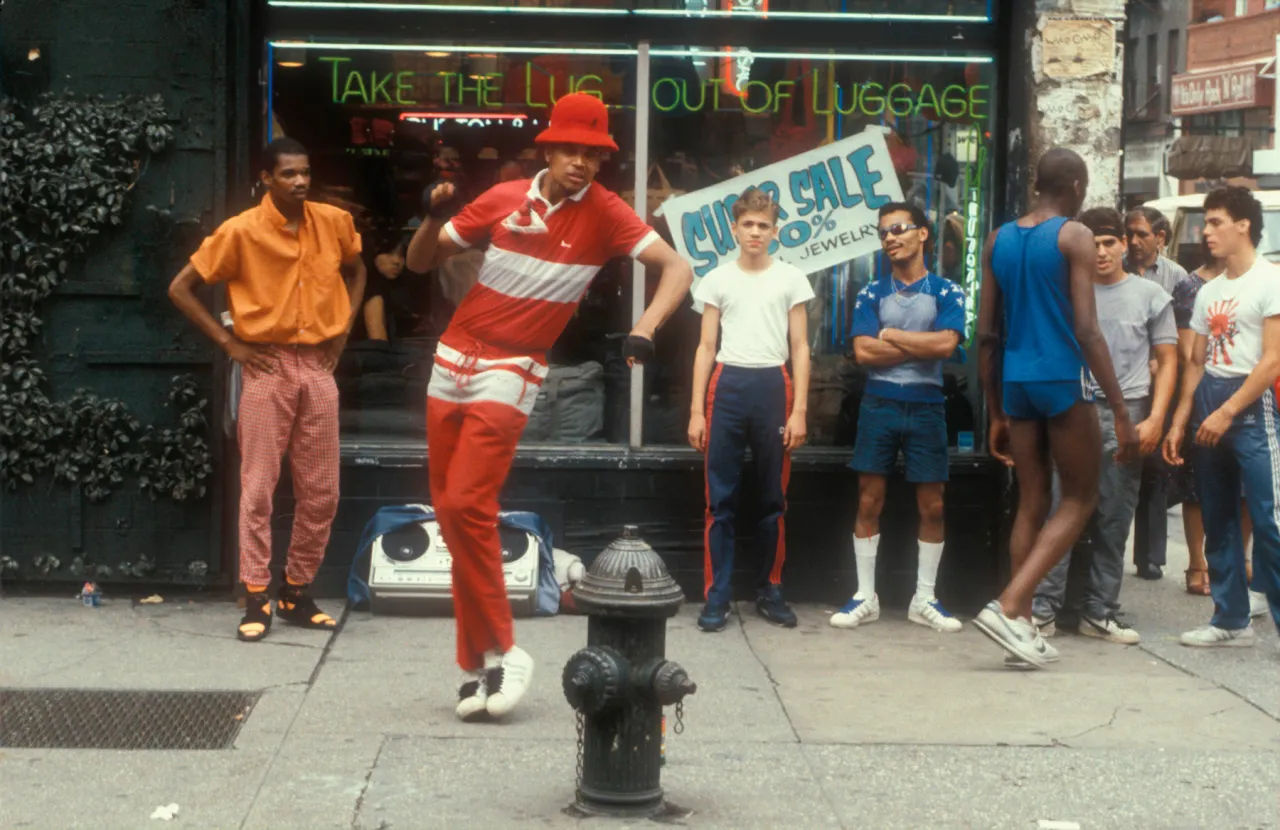
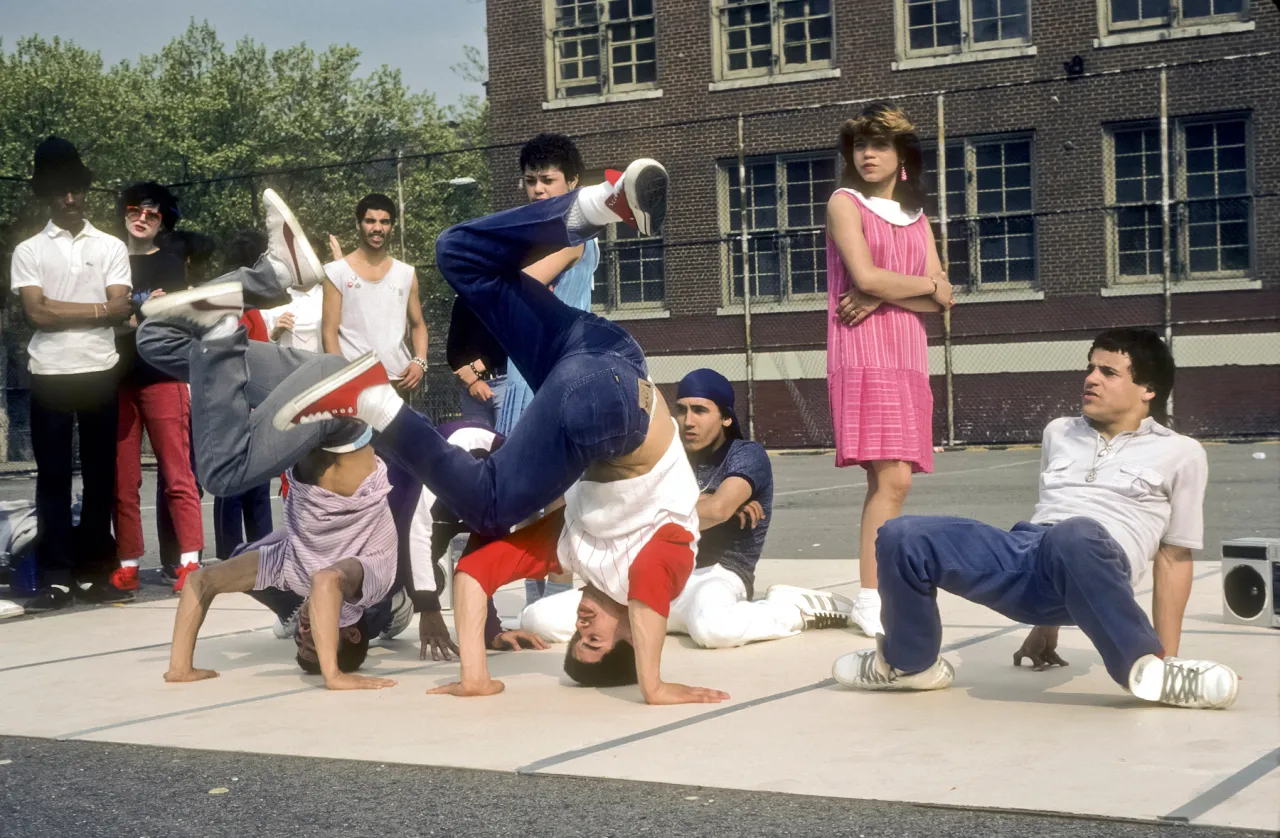
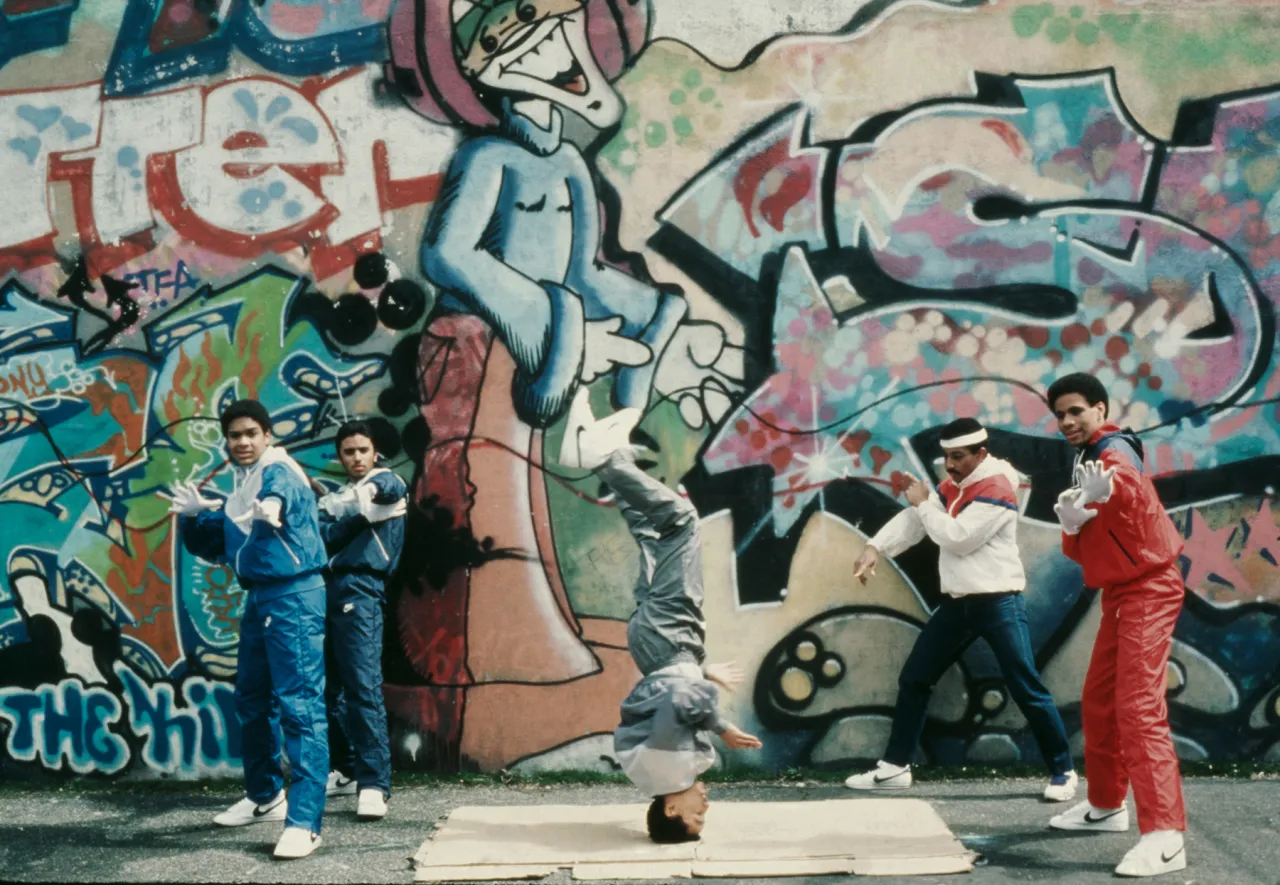
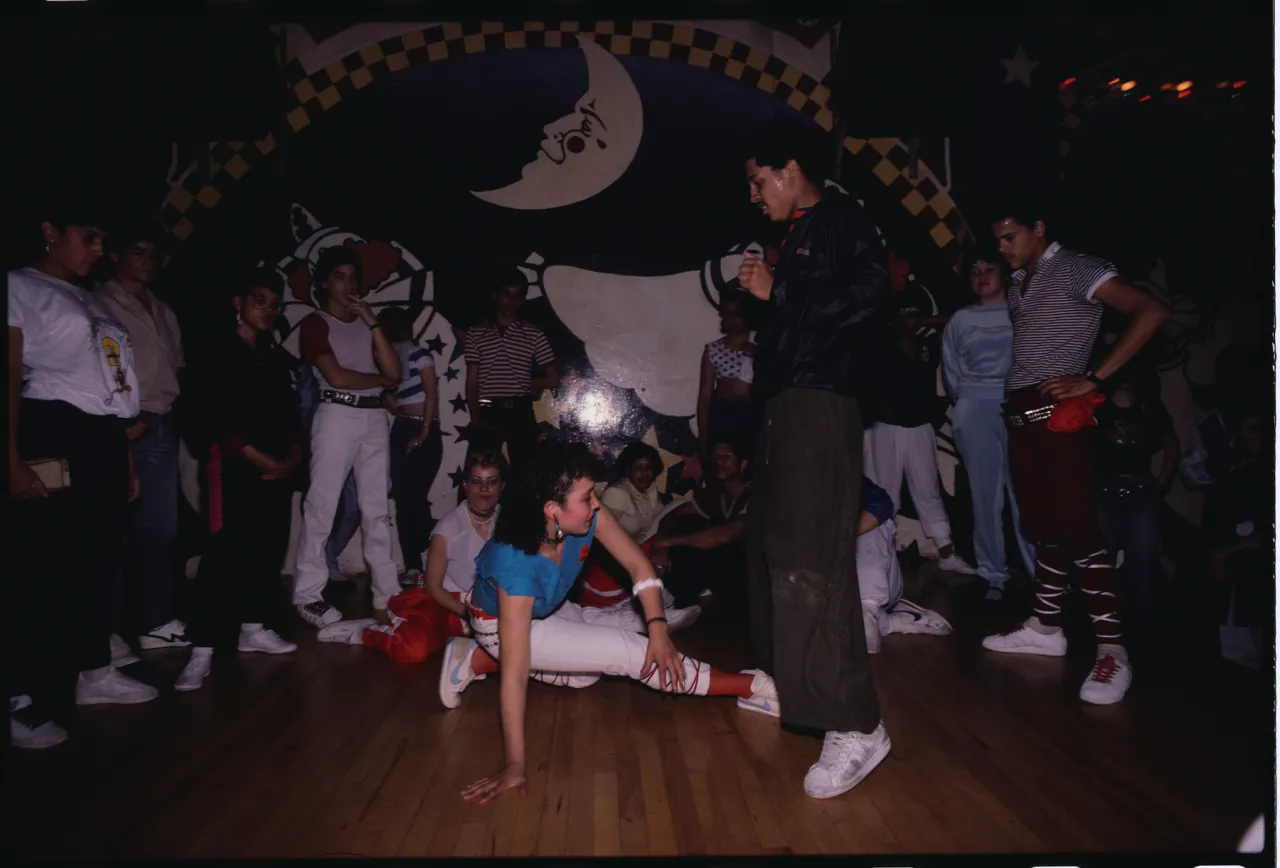
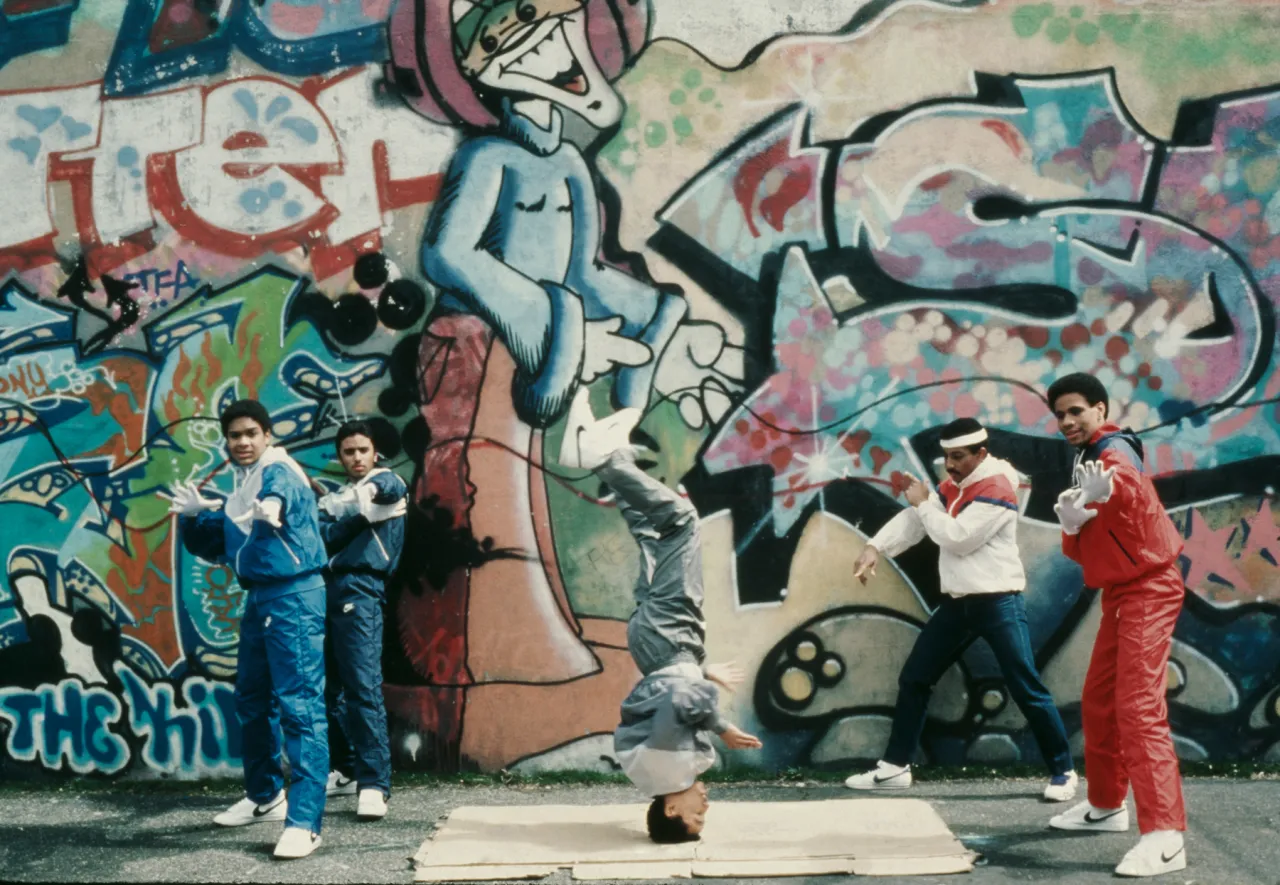
By the 1980s, hip-hop had left the block and entered the studio. Acts like Grandmaster Flash & the Furious Five, Run-DMC, and Salt-N-Pepa carried Bronx innovations to radio and MTV. Yet the culture stayed DIY—graffiti, breakdancing, and fashion remained central to self-expression.
Click arrows to see 80s Hip Hop culture.
As hip-hop moved from block parties to radio and MTV, one record marked its breakthrough moment: The Sugarhill Gang — “Rapper’s Delight” (1979)
Regional sounds explode—West Coast G-funk, Southern bounce, Midwest chopping, East Coast lyricism.
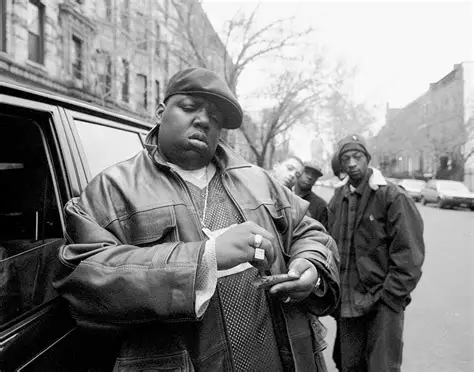
Where it all began — East Coast artists like Nas, Biggie, and Wu-Tang refined lyrical storytelling and gritty production.
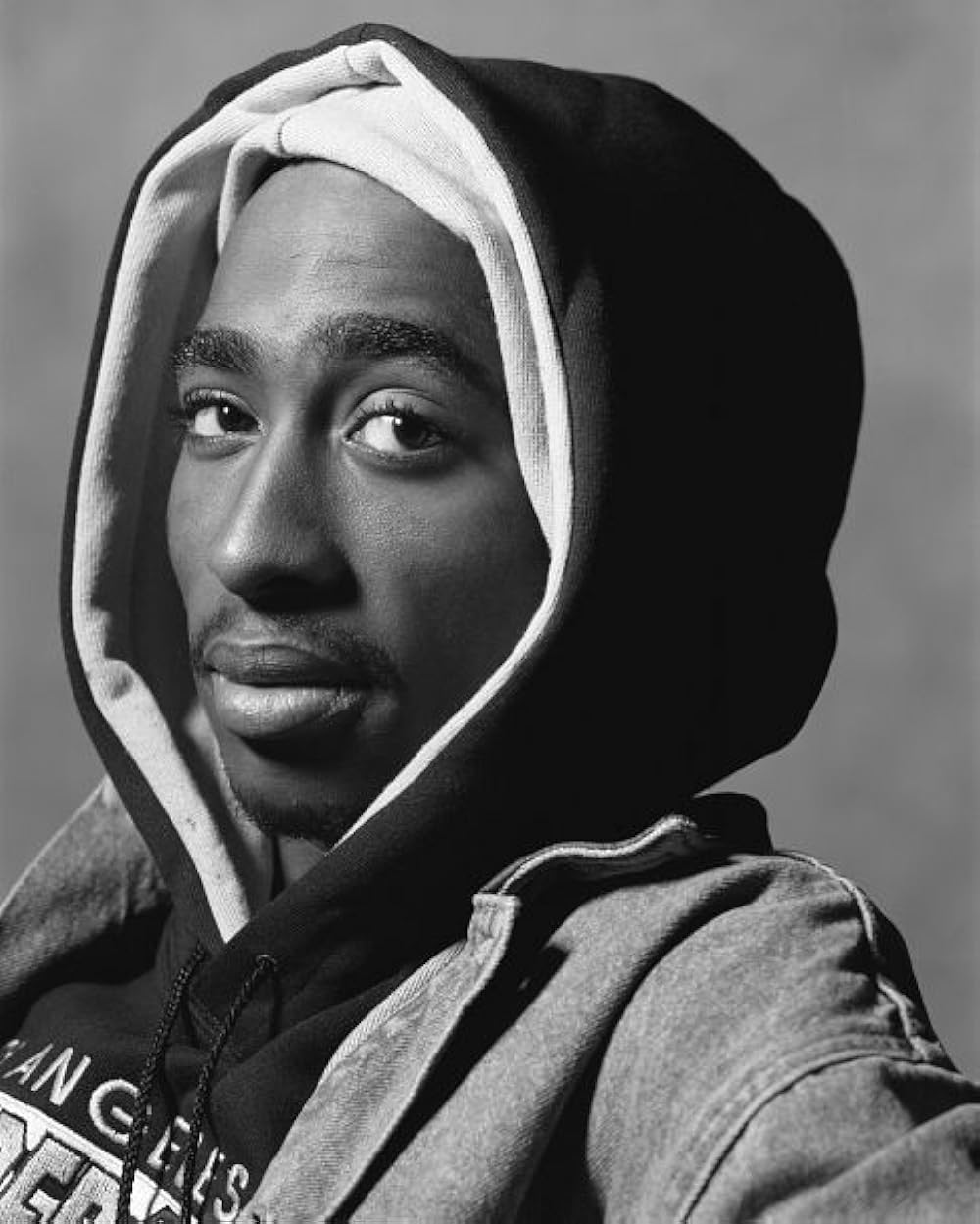
The West Coast brought G-funk’s laid-back basslines and social commentary through Dr. Dre, Snoop Dogg, and Tupac.
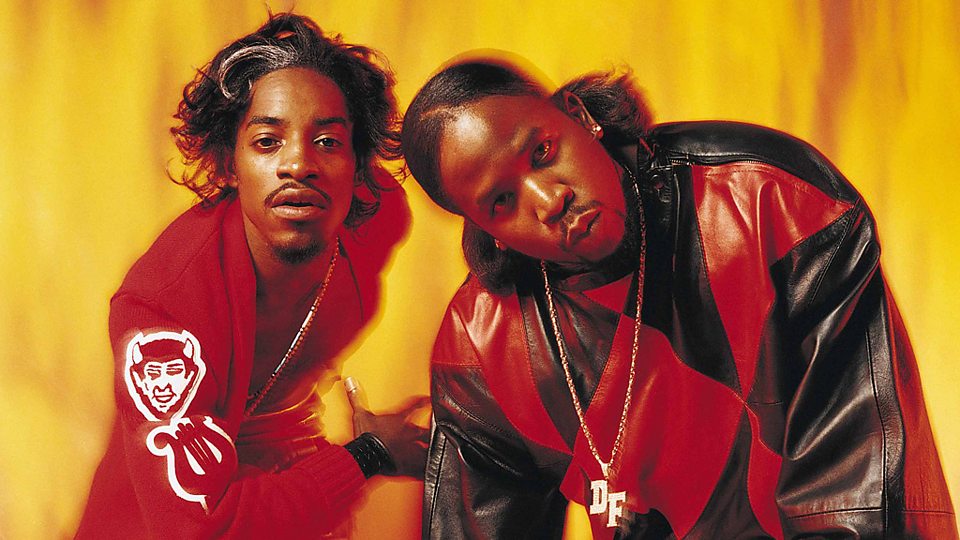
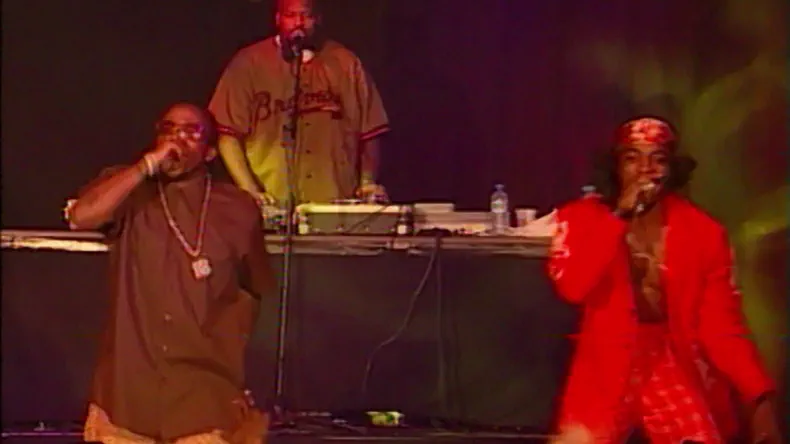
Southern hip-hop brought bounce and funk—from 2 Live Crew’s Miami bass to Outkast’s creative revolution in Atlanta.
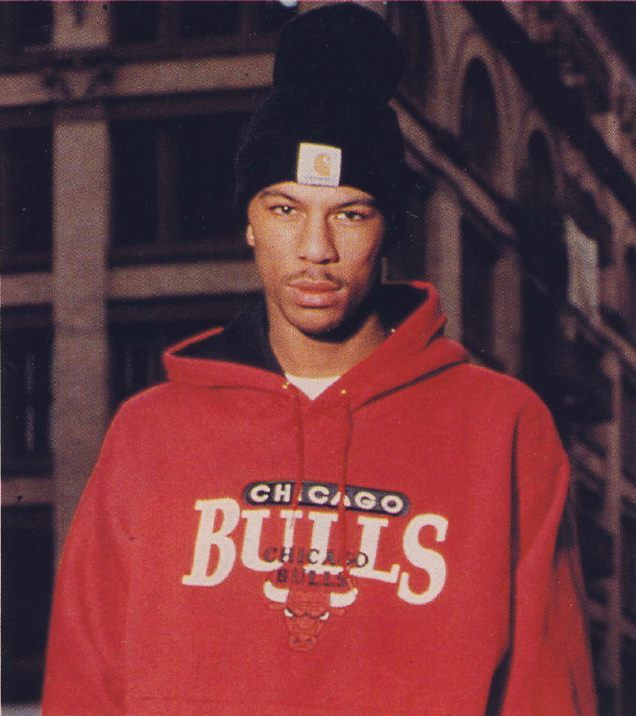
The Midwest crafted rapid-fire “chopping” and introspective storytelling—bridging house, funk, and conscious rap.
Global influence, digital freedom, and hip-hop’s 50-year legacy.
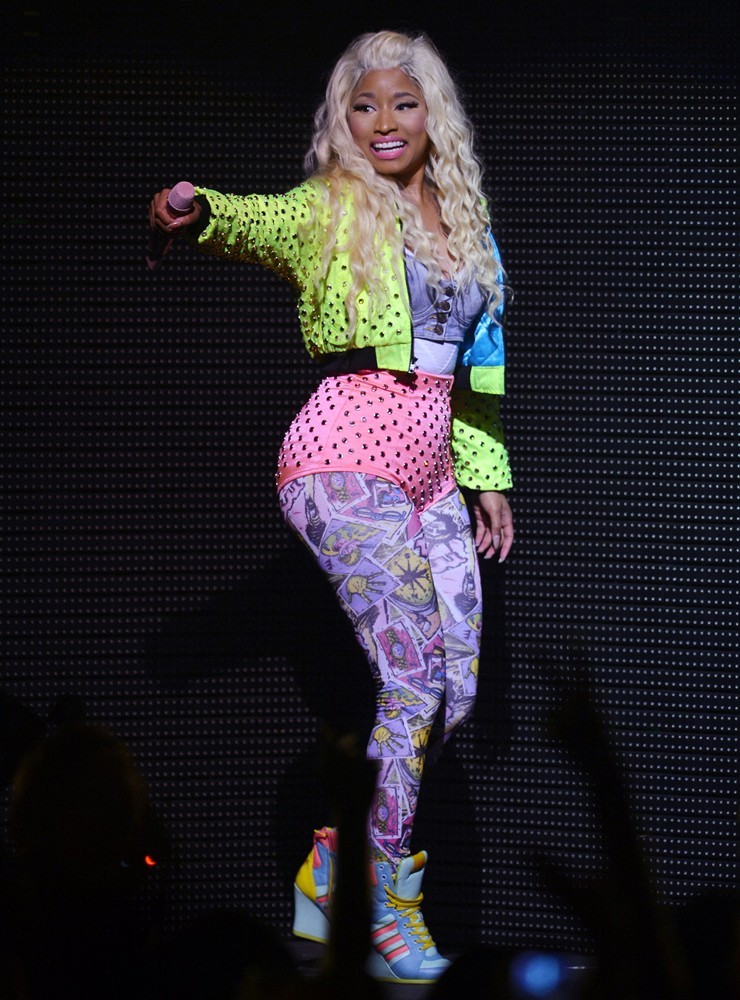
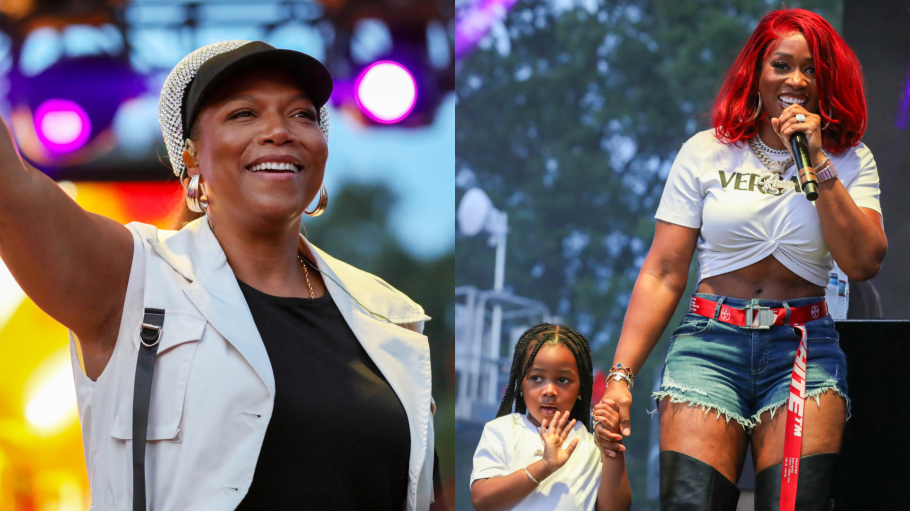
In the 2000s and beyond, hip-hop became a global language. Southern artists like Outkast, Lil Wayne, and Missy Elliott reshaped the mainstream with new rhythms and accents, while women like Nicki Minaj redefined visibility and power in rap. The digital era blurred regional lines—streaming, mixtapes, and social media allowed artists to reach audiences without industry gatekeepers. By the 2010s, hip-hop had surpassed rock as the most consumed genre in the United States. Yet, the culture stayed rooted in storytelling and community. When Queen Latifah and Remy Ma performed together at the Smithsonian’s Hip-Hop 50 Block Party in 2023, they weren’t just celebrating a milestone—they were honoring five decades of creativity, resistance, and legacy that began at a Bronx block party.